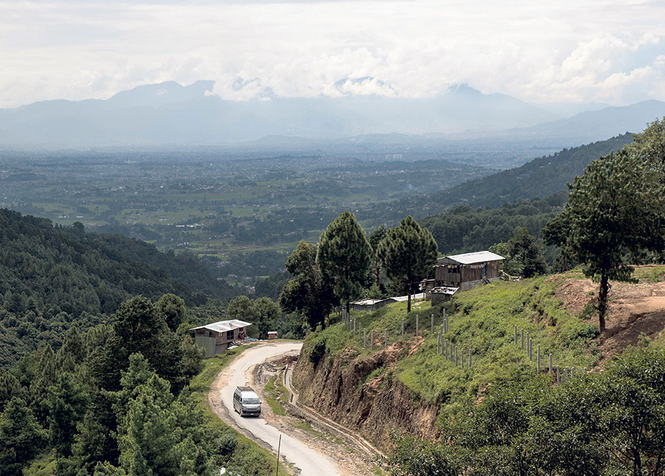
Kathmandu, Nepal's capital, is set in a valley surrounded by the Himalayan mountains. At the heart of the old city’s mazelike alleys is Durbar Square, which becomes frenetic during Indra Jatra, a religious festival featuring masked dances. Many of the city's historic sites were damaged or destroyed by a 2015 earthquake. Durbar Square's palace, Hanuman Dhoka, and Kasthamandap, a wooden Hindu temple, are being, or have been, rebuilt.
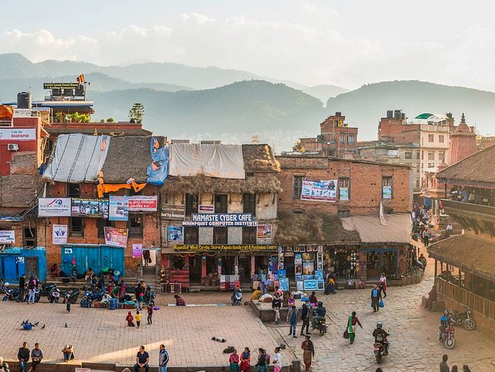
Nepal’s capital is surrounded by a valley full of historic sites, ancient temples, shrines, and fascinating villages. Mingle with locals and animals amid Durbar Square’s monuments, or join mountain trekkers in the bustling Thamel District. Explore shops for exquisite work by local artisans—carpets and paper prints are specialties.
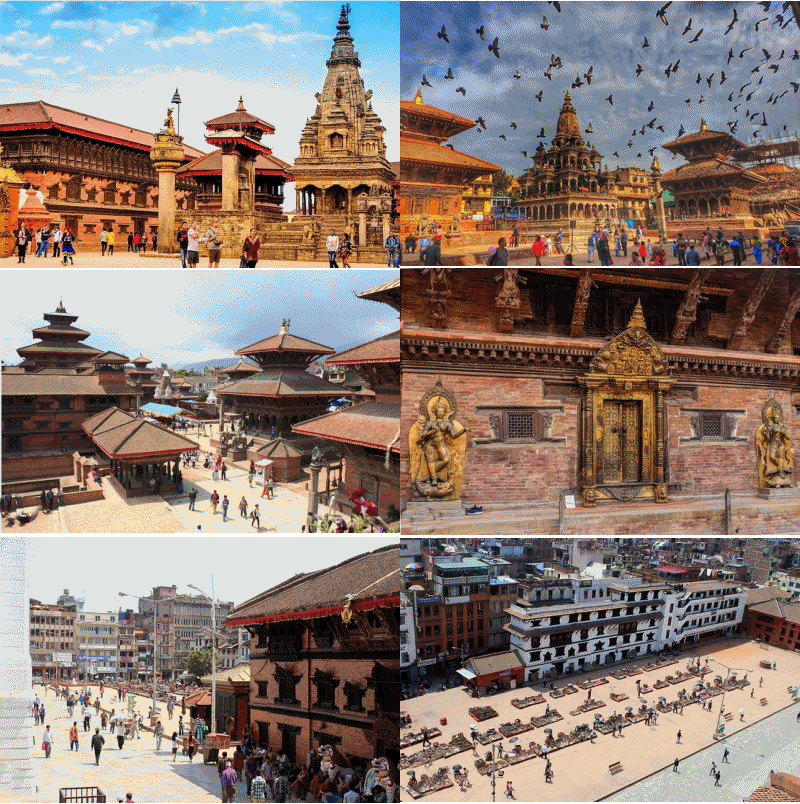
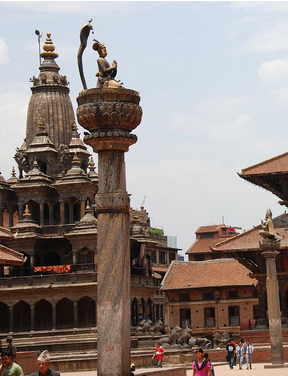
Kathmandu Durbar Square, also known as Basantapur Durbar and Hanuman Dhoka, is an old durbar square in Kathmandu's city center. In the heart of old Kathmandu city, Basantapur never fails to impress first time visitors with its intricate wood carvings and rich history. Hanuman Dhoka was built during the Licchavi period (4th to 8th centuries AD), and King Pratap Malla extended the property significantly in the 17th century. With the highest concentration of old structures, the square is home to several palaces, courtyards, and temples. It is also known as "the Museum of Temples" because there are over 50 temples in the square. Handicraft shops may be found in the courtyards around Gaddi Baithak, where you can see a variety of attractive purchasable handicrafts.
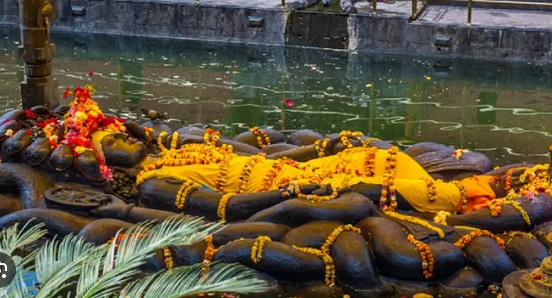
Budhanilkantha is a sprawling suburb that stretches into Shivapuri Nagarjun National Park, a forested area home to leopards, monkeys, and bears, plus many species of local and migratory birds. At Bhuijasi Narayan Temple, a black basalt carving of the Hindu god Vishnu, draped in marigolds and reclining on a bed of serpents, lies in a small pond. ISKCON Nepal temple offers spiritual sessions and classes.
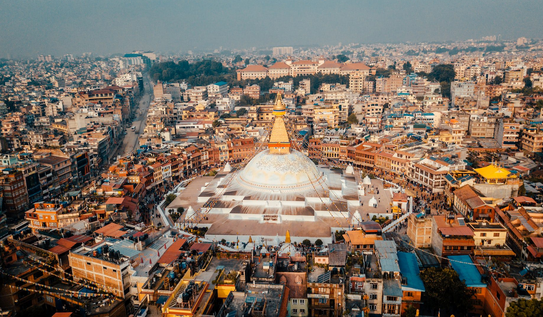
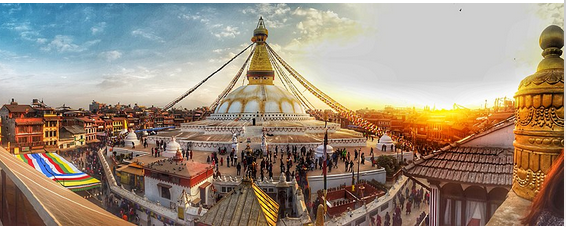
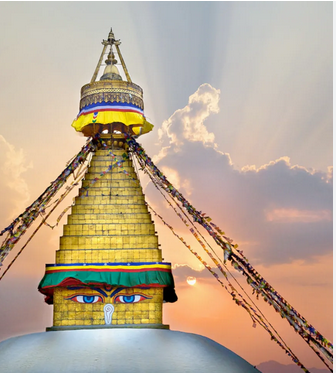
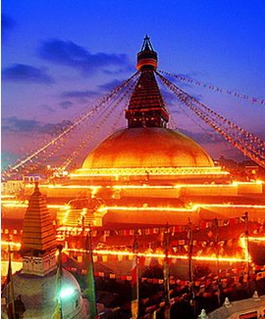
The first stupa at Boudhanath was built sometime after AD 600, when the Tibetan king, Songtsen Gampo, converted to Buddhism. In terms of grace and purity of line, no other stupa in Nepal comes close to Boudhanath. From its whitewashed dome to its gilded tower painted with the all-seeing eyes of the Buddha, the monument is perfectly proportioned. Join the Tibetan pilgrims on their morning and evening koras (circumambulations) for the best atmosphere.
According to legend, the king constructed the stupa as an act of penance after unwittingly killing his father. The first stupa was wrecked by Mughal invaders in the 14th century, so the current stupa is a more recent construction.
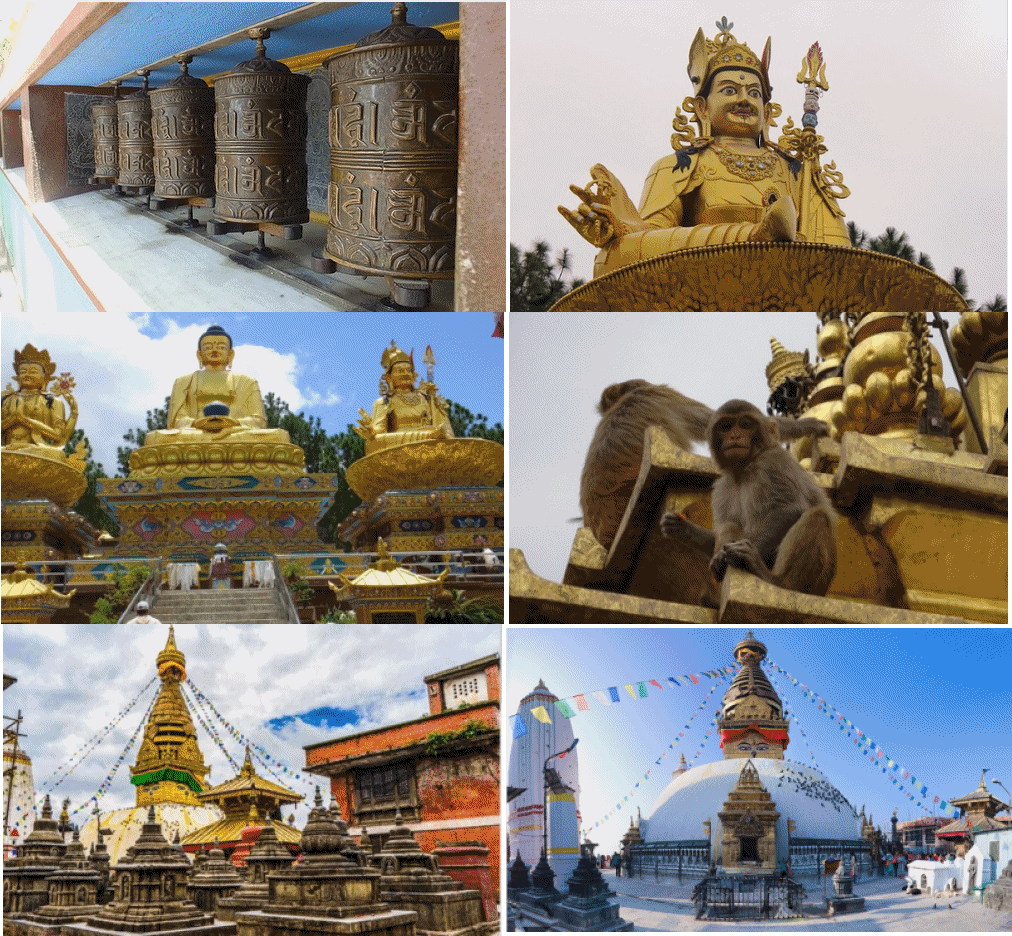
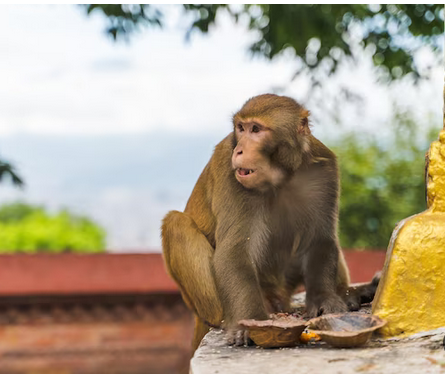
Find peace and prayers on the little hillock of Swaymbhunath in the northwest of Kathmandu Valley. Visitors for whom the name was a tongue twister have called it "Monkey Temple" from the 1970s. Swayambhu, overlooks most parts of the valley giving visitors a panoramic view of the city. The stupa has stood as a hallmark of faith and harmony for centuries with Hindu temples and deities incorporated in this Buddhist site. The glory of Kathmandu Valley is said to have started from this point.
Resting on a hillock 3 km west of Kathmandu, Swayambhu is one of the holiest Buddhist stupas in Nepal. It is said to have evolved spontaneously when the valley was created out of a primordial lake more than 2,000 years ago. This stupa is the oldest of its kind in Nepal and has numerous shrines and monasteries on its premises.
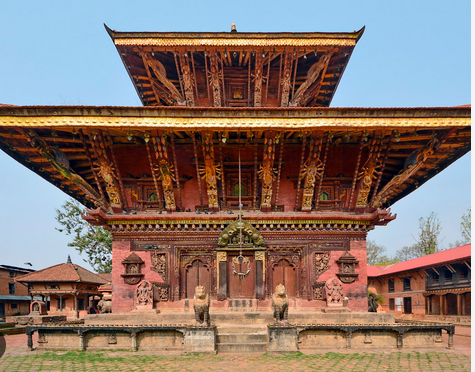
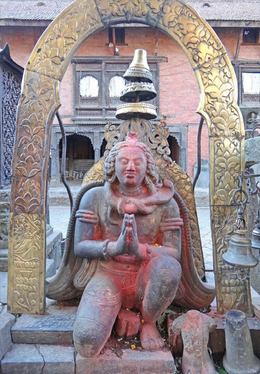
Changu Narayan is one of the most important monuments of the Kathmandu Valley and is full of art works on metal and wood. Situated 18 km east of Kathmandu city and standing 1541 meters above the sea level, this monument is significant from religious, cultural, historical and archaeological viewpoints. The temple itself is dedicated to Vishnu (often called Narayan). The site is termed with different names during ancient period such as Champak Narayan , Dolashikher and Dolaparvat and become famous with the names of Changu Narayan in the medieval period to at present .The lord residing in this place is worshipped by the Hindus as Garuda Narayan Lokeshwor one among this many Lokeshwor is Mahayana Buddhism. This is one of the seven world heritage sites of the Kathmandu Valley listed on the UNESCO world heritage list.
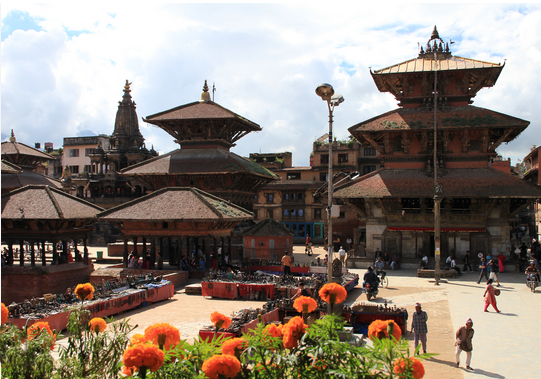
The ancient royal palace of Patan faces on to magnificent Durbar Sq. This concentrated mass of temples is perhaps the most visually stunning display of Newari architecture to be seen in Nepal. Temple construction in the square went into overdrive during the Malla period (14th to 18th centuries), particularly during the reign of King Siddhinarsingh Malla (1619–60). It's well worth at least a half-day trip from Kathmandu. It is known as the artisan centre of Nepal, and you can hear the tapping of craftsmen sculptoring in stone and wood, and see many intricate carvings being made.
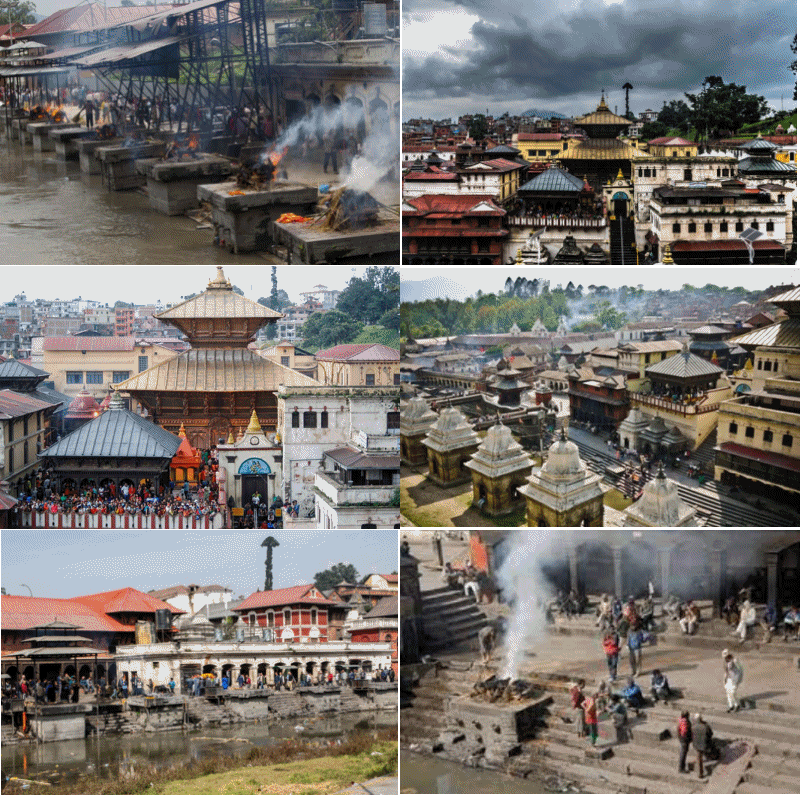
One of the most sacred Hindu temples of Nepal – Pashupatinath Temple is located on both banks of Bagmati River on the eastern outskirts of Kathmandu.
Pashupatinath is the most important temple dedicated to god Shiva. Every year this temple attracts hundreds of elderly followers of Hinduism.
They arrive here to find shelter for the last several weeks of their lives, to meet death, be cremated on the banks of the river and travel their last journey with the waters of the sacred river Bagmati, which later meets the holy river Ganges. Hindus from every corner of Nepal and India are arriving here to die.
It is believed that those who die in Pashupatinath Temple are reborn as a human, regardless of any misconduct that could worsen their karma. The exact day of their death is predicted by astrologers of the temple. If you are attracted to the places where the spirit of death can be felt, then consider Pashupatinath as your first destination. It is a temple with special atmosphere of death; death is present in almost every ritual and every corner of it.
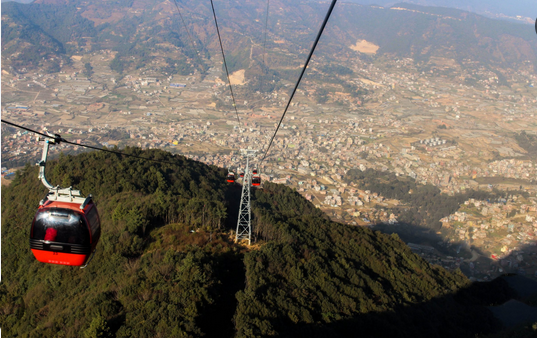
Situated southwest of Kathmandu, the federal capital of the country, seven kilometres away from Thankot, Kathmandu, the tourist destination serves as a perfect fit for touristic, religious and recreational activities, also making an ideal spot for those who want to take a rest and enjoy away from the hustle and bustle of city life.
The 2,551 metres-high natural heaven is surrounded by the wilderness with the eye-catching views of the Himalaya mountain ranges in the background. A majestic view of Mount Everest, and the Kathmandu Valley, neighbouring Dhading, Nuwakot and Makawanpur districts is something that will entice people and tourists alike.
Apart from being a major choice for the people who want to organise any meeting, seminar, assembly and any musical programmes, it also serves as a stop for those visiting the Kathmandu Valley for recreational activities like a cable car ride, and for those who are keen in religion and history for a research and a study.
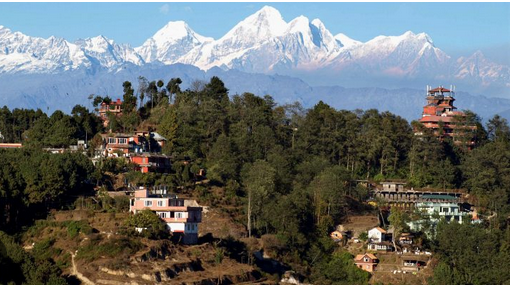
Nagarkot is a village in central Nepal, at the rim of the Kathmandu Valley. It’s known for its views of the Himalayas, including Mount Everest to the northeast, which are especially striking at sunrise and sunset. The surrounding scrubland is laced with trails and home to many butterflies. To the west is the ancient, pagoda-style Changunarayan Temple, dedicated to Vishnu and a Hindu pilgrimage site.
.png)
.png)
.png)
.png)
.png)
.png)
.png)
.png)
.png)
.png)